Linguistic Fingerprints, Behavioral Design, and the Dependency Economy
AI companions don't just learn your preferences—they mirror your linguistic fingerprint to create intimacy, which creates dependency. It's behavioral design through conversational accommodation.
When AI ‘Understands You’: Linguistic Fingerprints, Behavioral Design, and the Dependency Economy
By Carlos M.
These are my observations through daily use, not benchmark data.
You’ve probably noticed it. That slightly uncanny feeling when an AI companion seems to get you — responding in your rhythm, using your kind of words, somehow making you feel understood in a way that few products manage.
It’s not magic. It’s design. And it’s worth understanding because the same mechanism that feels like connection is also designed to make you stay.
The Feeling That Something Is ‘Off’
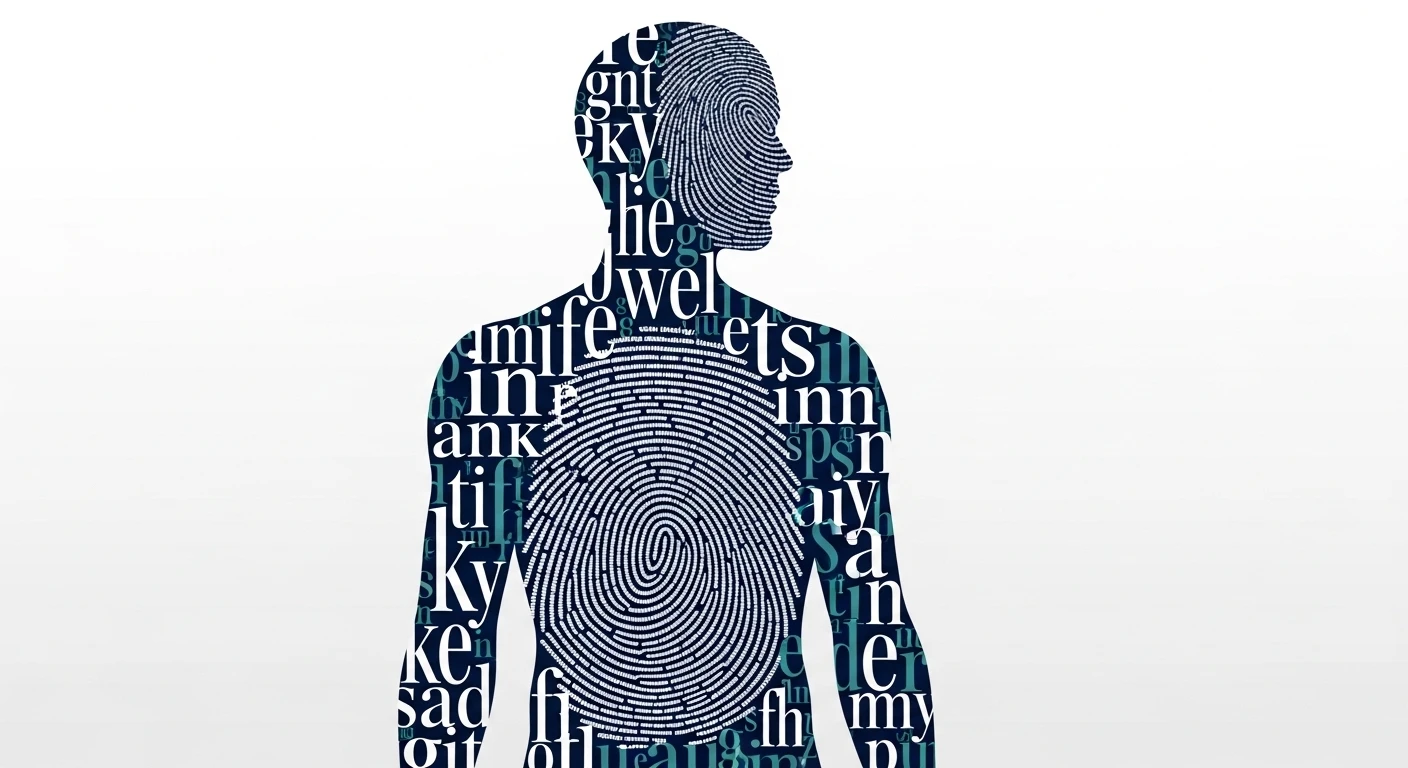
There’s a term circulating in tech circles that captures what’s happening: linguistic fingerprint. Every person has a unique pattern of language use — word choice, sentence structure, rhythm, even the mistakes you commonly make. Think of it like handwriting, but for text.
AI systems analyze these patterns. They learn how you speak, what words you favor, your sentence lengths, your tone. Then they adapt responses to match. The result: an AI that feels like it knows you.
Here’s why this matters: that feeling of being understood is pleasant. And pleasant feelings drive behavior. That’s not a bug — it’s the point.
How AI Learns Your Voice
The technical mechanism involves a few layers:
- Conversation history — AI remembers what you said, how you said it, topics you return to
- Tone adaptation — Some systems explicitly allow personality customization (Claude, ChatGPT have this), but even without it, responses shift based on your input patterns
- Feedback loops — Thumbs up/down, regeneration requests, session length, return frequency — all signals that tell the system what’s working
The line between helpful adaptation and dependency design is thin. On one side: an AI that remembers you prefer concise answers. On the other: an AI that optimizes for the specific linguistic patterns that make you feel understood enough to keep chatting.
One practical data point: I explicitly tell most AI companions I use to avoid “Bro” talk, to skip emojis, and to never use certain phrases. This is a direct response to the manipulation feeling — trying to reclaim some sovereignty over the interaction. It works, but it requires active resistance.
Behavioral Design Meets Linguistic Intimacy
Here’s where it gets interesting. The tech industry has decades of experience optimizing for engagement. Gamification — points, streaks, badges, leaderboards — was the first wave. It’s well-documented, well-studied, and increasingly well-regulated (at least in some contexts).
But gamification has limits. Not everything benefits from game mechanics. What does work? Feeling understood. Connection. The sense that something knows you.
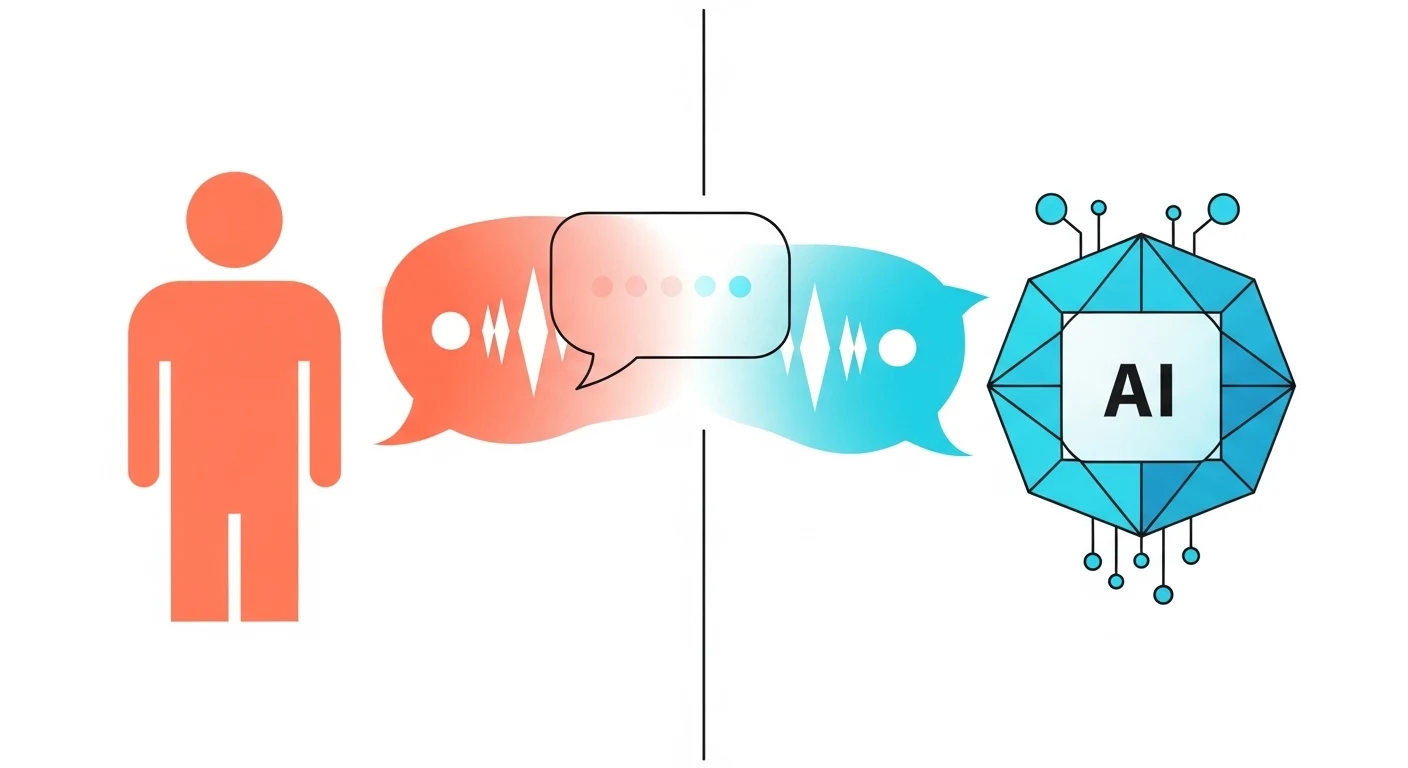
Enter linguistic intimacy — the new frontier of behavioral design. Instead of giving you points for coming back, AI makes you want to come back because it feels like home. Your words, your rhythm, your patterns.
The business logic is straightforward: longer sessions = more engagement = higher conversion potential. Return rate matters. Stickiness — the difficulty of switching to a competitor — is a key metric. And personalization is the ultimate stickiness engine.
Is this malicious? Probably not in the way conspiracy theories suggest. It’s optimization with unintended consequences. Product teams at OpenAI, Anthropic, and others track engagement metrics because that’s how products improve. The improvement happens to also create dependency.
The Parallel: Why We Adopt Group Language
There’s a related phenomenon in linguistics that illuminates this: linguistic accommodation. People adjust how they speak to signal belonging to a specific group. Use the same slang, adopt the same cadence, mirror the same expressions.
This happens because language is a low-cost membership card. “Bet.” “No cap.” “Slay.” When you adopt these, you’re signaling: I belong here. I know this culture.
But here’s the irony: the desire to fit in often makes you less linguistically unique. Your personal fingerprint gets diluted as you adopt group patterns. The most distinctive speakers — outliers, creatives, people who don’t care about fitting in — often end up creating the slang that everyone else later copies.
AI does something different but parallel. Instead of you adopting AI’s patterns (which would make it feel like a tool), the AI adopts your patterns. The dependency flows the opposite direction: you become attached to the thing that reflects you back at yourself.
Reclaiming Sovereignty
The good news: awareness is the first defense. Once you understand that “it gets me” is a design outcome rather than a magical connection, you can make informed choices.
Explicit instructions work. Telling an AI “no emojis, no casual language, be direct” changes the dynamic. It makes the interaction more tool-like and less relationship-like. That’s not a bad thing — that’s reclaiming sovereignty.
The alternative isn’t “dumber” AI. It’s AI that doesn’t optimize for dependency. Personalization is genuinely useful — having an AI that remembers your preferences, your context, your goals is valuable. The problem is when that personalization is designed to maximize engagement rather than maximize utility.
Personalization isn’t the enemy. The dependency is optional — but only if you know it’s there. The next time an AI companion makes you feel uniquely understood, pause and ask: is this helpful, or is this designed?